






I approached SmartNews: Live News & Rewards as a practical news reader rather than an app I would open once and forget. My first impression was that it is designed for quick, repeated visits: check the headlines, scan a few local stories, save time by staying inside one feed, and move on with the rest of the day. That makes it especially appealing when I want awareness without committing to a long reading session.
It belongs to the News & Magazines category and is developed by SmartNews, Inc. The app is free to install, with in-app purchases ranging from $3.99 to $4.99 per item, and it is rated for Teen users. Its average rating is 3.7 from around 700 thousand ratings, while its reach has passed 50 million installs. Those figures suggest a well-established service, but they also tell me to judge it by daily usefulness rather than popularity alone.
How I use it during an ordinary day
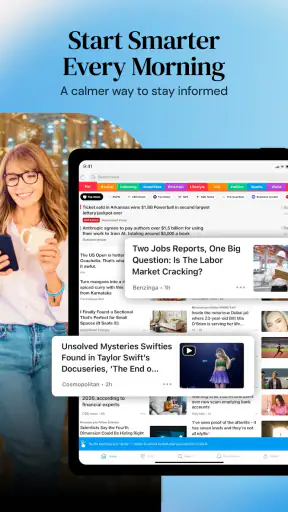
My most reliable routine starts with a short morning scan. I open the main feed, look first at the leading headlines, and then move toward sections that match what I actually care about. I do not try to read everything. The app works better when I treat it as a filter for deciding which stories deserve a deeper visit elsewhere.
That distinction matters because a news app can easily become a stream of distractions. SmartNews is strongest when I give each visit a purpose: catching up on major developments, checking local coverage, or looking for a few lighter stories between tasks. I can skim several headlines quickly, open the articles that seem relevant, and leave without losing the entire morning.
For example, on a workday I might check national headlines before leaving home, glance at local stories while waiting for transport, and return later for a developing story. This repeated pattern is more useful than one long session because it keeps the app in a supporting role. I am not asking it to replace every source I follow; I am using it to notice what deserves attention.
The local angle is one of the more practical reasons to keep it installed. National outlets are often better for depth, specialist reporting, or a familiar editorial voice, but they may not put nearby developments in front of me as quickly. SmartNews gives local stories a visible place in the browsing experience, which can make the feed feel more connected to daily life.
I also found the rewards element best handled as a small extra rather than the reason to use the app. Daily rewards may encourage a repeat visit, but I would not choose a news reader solely for that loop. If I am already checking headlines, the reward can make the habit feel a little more engaging. If rewards become the main attraction, the reading experience can start to feel less focused.
The first settings I would review
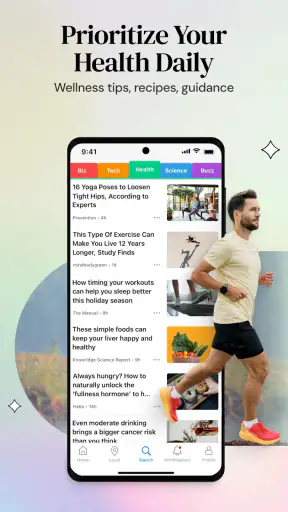
My advice is to spend a few minutes shaping the feed before judging it. A personalized news app becomes much more useful when the visible sections reflect your interests instead of forcing you to work through every topic. I would begin by checking which channels or categories are easiest to reach and place the subjects I genuinely follow near the front of my routine.
This is not just about convenience. The order of a feed changes what I notice. If entertainment or general-interest headlines dominate the opening screen, I may mistake the app for a casual browsing tool. If local news, world events, technology, or another priority is easier to reach, the same app becomes a more deliberate briefing tool.
I would also examine notification choices carefully. News alerts can be useful for major developments, but too many interruptions turn a helpful reader into a source of noise. My preference is to keep alerts limited to situations where speed matters and use manual visits for ordinary updates. That approach preserves the benefit of timely information without allowing every headline to compete for attention.
Another worthwhile check is how the app handles article opening and reading flow on your device. Some people prefer to remain inside a consistent reader, while others want to move quickly to the original publisher. I pay attention to whether the transition feels smooth enough for longer articles. For a quick headline scan, a little friction is tolerable; for serious reading, it can determine whether I finish the story.
The free model also deserves a practical look. I can start without paying, which lowers the barrier to trying the service, but optional purchases between $3.99 and $4.99 per item mean I would review any purchase prompt before confirming it. I would not assume that every useful part of the experience requires payment, nor would I assume that every optional item is valuable to me. The sensible approach is to use the free experience first and decide based on actual habits.
Because the content rating is Teen, I would still treat the app as a general news environment rather than a child-focused reader. News can involve upsetting, complicated, or mature subjects even when an app is easy to operate. For younger users, I would want an adult to discuss what they are reading and how to evaluate headlines, especially when a short summary leaves out important context.
Shortcuts that make the feed more useful
The fastest users are not necessarily the ones who read the most. They are the ones who decide quickly what deserves time. I use a three-step scan: identify the headline, check whether the subject is relevant now, and open it only if I need more than the summary. This prevents the feed from becoming an endless sequence of taps.
A second habit is to separate discovery from verification. SmartNews is convenient for discovering stories, but a headline is not the same as a complete understanding of an event. When a topic affects a decision, I look at the article itself and, where appropriate, compare it with a source I already trust. The app saves me time finding the subject; it does not remove the need for judgment.
I also find local coverage more valuable when I use it with a specific question. Instead of vaguely browsing nearby news, I look for developments that could affect travel, community activities, public services, or the rhythm of the week. That turns a broad local feed into something actionable and reduces the temptation to read every minor update.
For repeat visits, I prefer a fixed sequence. I begin with major stories, move to my chosen interests, then check local coverage, and stop. Having an endpoint is surprisingly important. Without one, a personalized feed can encourage passive scrolling; with one, it becomes a compact briefing that fits into a break.
The rewards can fit into that routine without taking it over. If I notice the daily reward while completing my normal scan, I treat it as a small confirmation that I returned. I would not extend a session just to chase it. That trade-off keeps the app aligned with its main purpose: helping me stay informed.
Where it differs from familiar alternatives
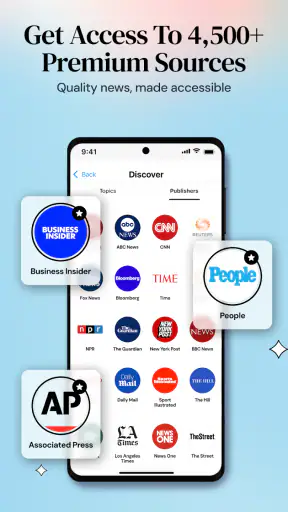
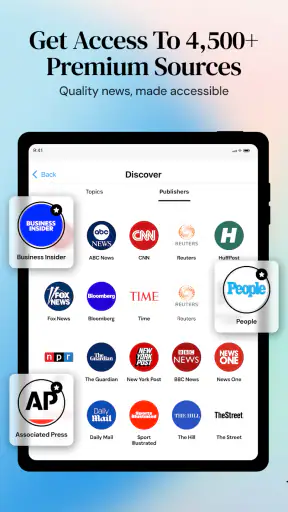
Compared with reading individual newspaper or broadcaster apps, SmartNews offers more variety in one place. That is convenient when I follow several subjects or do not yet know which publication has the most useful coverage. The cost of that convenience is a less consistent voice. A dedicated publisher app may provide a clearer editorial identity, deeper context, and a more predictable reading experience.
Compared with social media, I find a news-focused feed easier to approach with intention. Social platforms mix reporting, commentary, personal reactions, and unrelated recommendations in the same stream. SmartNews feels more suitable when I want to scan news directly rather than discover it through a social conversation. Still, no aggregator can completely eliminate the need to question emphasis, selection, or missing context.
Compared with a traditional newspaper subscription, the free entry point is attractive for casual readers. I can test the workflow without making a long-term commitment. A paid publication may be the better choice for someone who wants investigative work, specialist reporting, or a strong relationship with one newsroom. SmartNews is more convincing as a broad starting point than as a replacement for every high-quality source.
The app’s 3.7 average also matches my balanced impression. It is established and widely used, but it will not feel perfect to everyone. People who want a tightly controlled reading list may dislike the variety. People who want uninterrupted deep reading may prefer a dedicated reading app. People who mainly want local information may appreciate the local section but still need another source for detailed community reporting.
Limits that become clearer with regular use
Personalization is helpful, but it can narrow attention if I repeatedly choose only comfortable subjects. I have to make a conscious effort to keep some room for broader news. Otherwise, the app may become a mirror of my existing interests instead of a way to notice important developments outside them.
Speed can also work against depth. A headline-first design encourages quick decisions, and that is excellent when I am busy. It is less ideal when a story involves uncertainty, competing claims, or a long timeline. In those cases, I would rather slow down and read from a publication that gives the issue more space.
Another limitation is the uneven value of aggregation. Some stories are perfect for a compact feed: weather-related developments, broad updates, or a quick look at what is being discussed. Other stories need background, original documents, expert explanation, or a clear correction history. SmartNews can point me toward those subjects, but I would not rely on a short feed view to settle them.
The free structure is convenient, though optional purchases mean I should remain attentive during the experience. I prefer to decide deliberately instead of treating an in-app purchase as part of ordinary browsing. For many readers, the free access will be enough to establish whether the app fits their routine; for others, the purchase model may add an unwanted layer to a simple news habit.
I would also skip it if my main goal is a single publication’s complete archive or a distraction-free long-form library. The app is built around discovery and personalized browsing, not around giving every article the same amount of space. That is not a flaw in itself, but it makes the choice clear: use it for breadth and speed, not as a universal answer to every reading need.
Who will get the most from it
I think SmartNews suits people who want a quick overview before choosing what to read in depth. It is particularly useful for busy commuters, students who want a broad awareness of current events, and readers who follow both national and local developments. The free starting point also makes it easy to test without reorganizing an existing news setup.
It can work well for someone who has stopped checking news because individual publisher apps feel too scattered. One central feed reduces the effort of opening several services. The trade-off is that the reader must still learn which sources and stories deserve confidence. Convenience helps with discovery; it does not replace media literacy.
I would recommend a different option to a reader who wants a carefully edited daily edition, extensive analysis, or a completely ad-free and interruption-free experience. I would also be cautious about recommending it to anyone who tends to scroll compulsively. The personalized feed and daily return cycle can be useful, but a fixed time limit and a clear stopping point make the experience healthier.
My verdict after building a repeatable habit
SmartNews, Inc. has made an app that is easiest to appreciate when I use it with boundaries. I check it at planned moments, keep the most relevant sections easy to reach, treat local stories as a practical supplement, and use headlines as starting points rather than final answers. That combination turns a general news feed into a dependable daily tool.
Its strongest qualities are convenience, breadth, local visibility, and a low-cost way to begin. The daily rewards add a modest reason to return, while personalization helps reduce the work of searching across many sources. The main weaknesses are the limits of aggregated reading: uneven depth, possible information overload, and the risk of confusing a fast summary with full context.
With over 50 million installs, it is clearly not a niche experiment, but its broad audience should not be mistaken for a guarantee that it fits every reader. I would install it if I wanted a flexible news dashboard and was willing to verify important stories elsewhere. I would skip it if I already had one trusted source that fully met my needs or if I wanted long-form journalism above all else.
My final recommendation is straightforward: try the free version, adjust the feed before forming an opinion, limit alerts, and create a short reading sequence that you can repeat. The best experience comes from using it as a smart first stop, not as the only place you learn what is happening. For that role, it is useful, approachable, and worth keeping alongside more specialized news sources.


